Our Wine Regions
Each wine in our collection tells the story of its terroir—the unique combination of soil, climate, and tradition that shapes its character.
USA
California
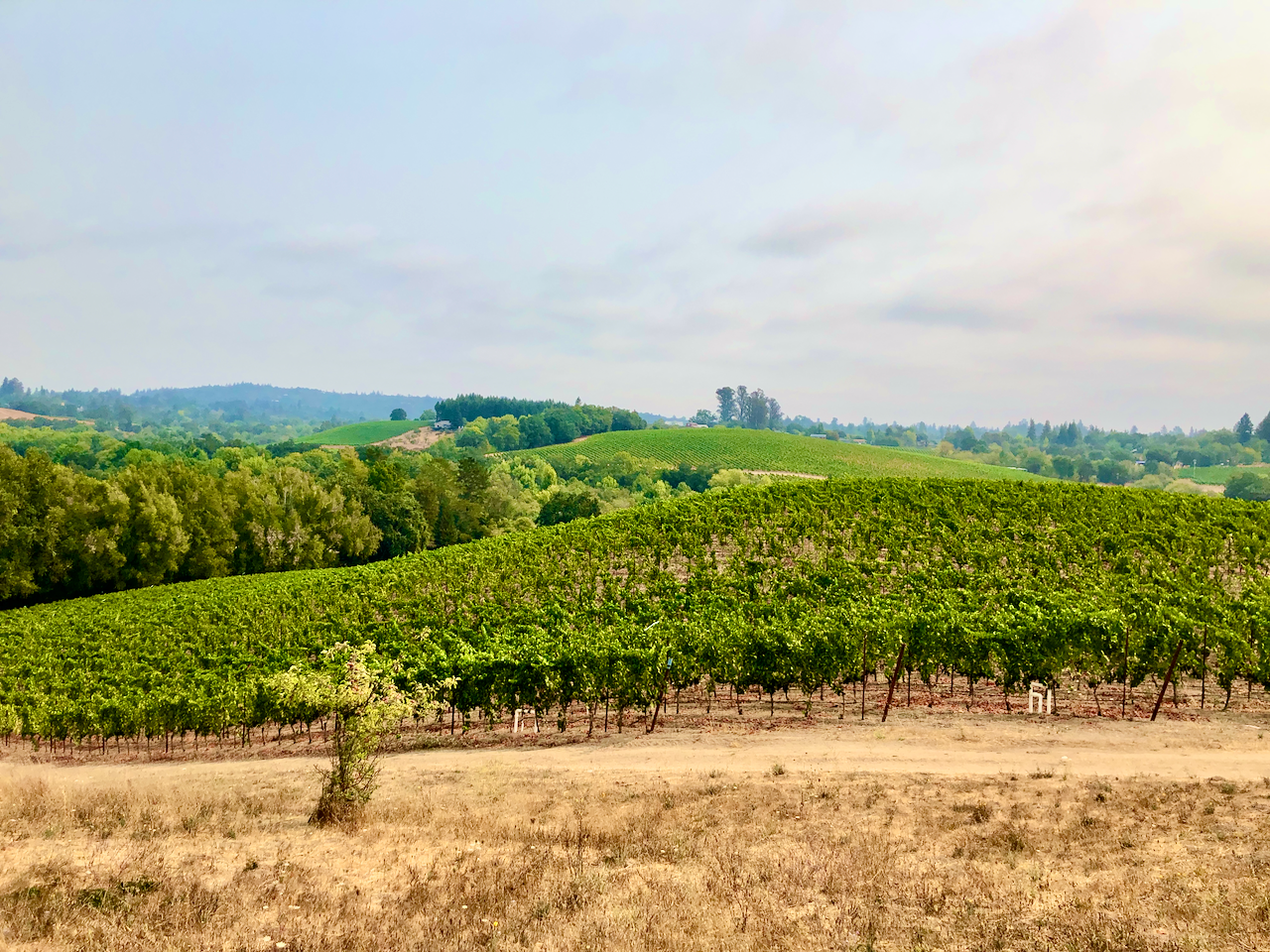
California is the powerhouse of American viticulture, producing approximately 81% of all wine in the United States and ranking as the fourth-largest wine producer in the world. Its viticultural landscape is defined by a diverse Mediterranean climate, where the cooling influence of the Pacific Ocean and its signature coastal fog create a patchwork of microclimates ideal for a vast array of grapes. From the world-renowned, sun-drenched valleys of Napa and Sonoma in the North Coast to the rugged, maritime-influenced terrain of the Central Coast and the high-yield vineyards of the Central Valley, the state hosts over 140 American Viticultural Areas (AVAs).
Terroir
In California, terroir is defined by a dramatic tension between the intense Pacific influence and the state's rugged geography. While the state is vast, the most celebrated wine regions share a 'Macro-Terroir' driven by the Mediterranean climate, characterized by warm, dry summers and cool, wet winters.
Climate
Mediterranean climate with warm, dry summers and mild winters. The cooling influence of San Pablo Bay moderates temperatures, preserving acidity and allowing for extended hang time. Morning fog provides natural cooling, while afternoon sun ensures optimal ripening.
Key Grape Varietals
USA
Oregon
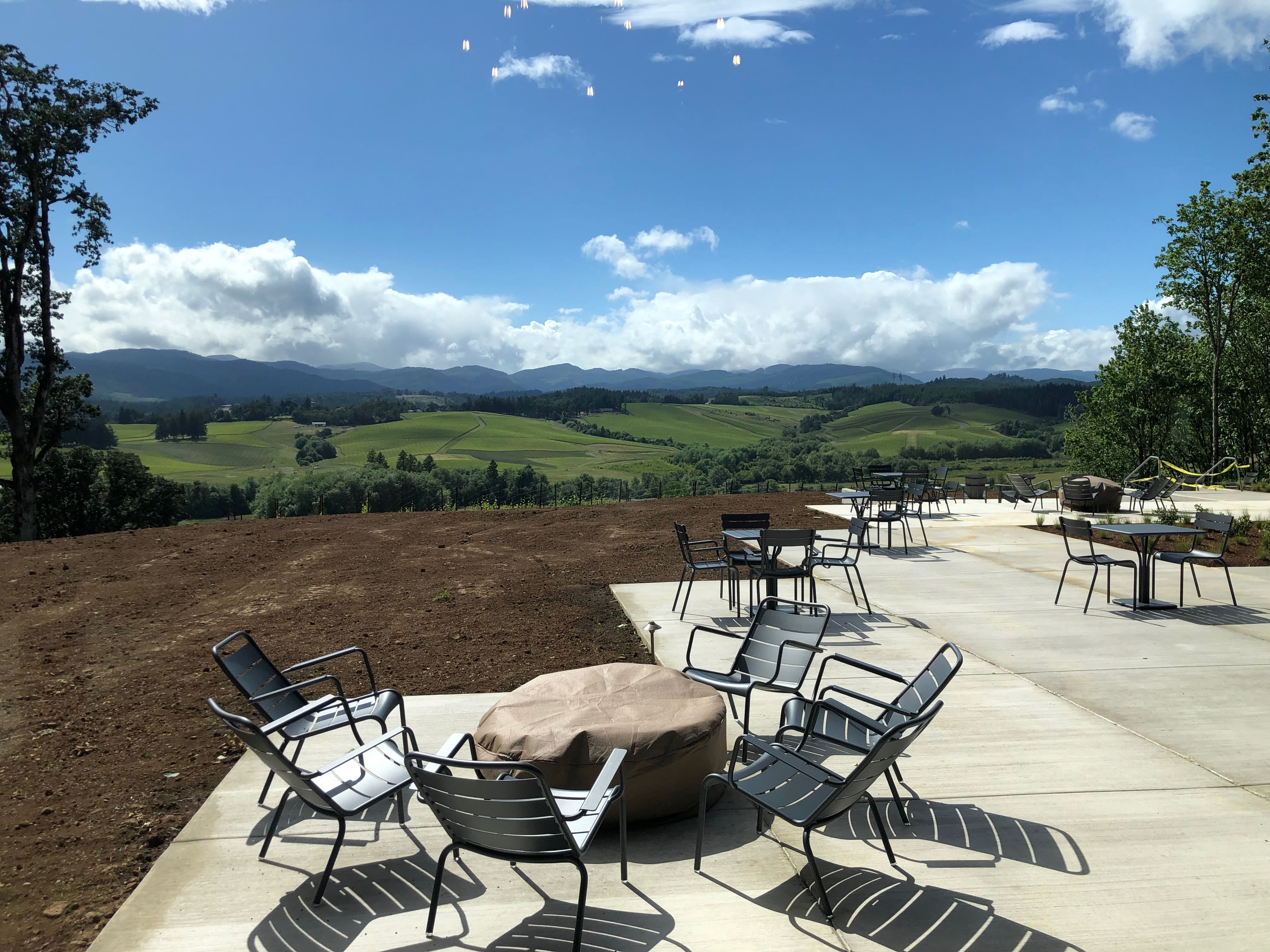
Oregon is the fourth-largest wine producing region in the US. Its identity is built on quality over quantity, with a heavy emphasis on small-batch, family-owned estates and a deep commitment to sustainable, organic, and biodynamic farming. The region's modern era began in the 1960s when pioneers like David Lett and Dick Erath wagered that the state's mild summers and wet winters were perfect for fickle grapes. Their success was cemented on the world stage when Oregon Pinot Noir famously bested French legends in 1979. Today, the state boasts 23 American Viticultural Areas (AVAs), with the Willamette Valley serving as the epicenter, producing nearly 75% of the state's wine.
Terroir
Oregon's terroir is defined by its northerly latitude and a high-stakes climate that pushes vines to their limit. Unlike the consistently sunny regions of California, Oregon's terroir is a delicate dance of 'marginal' weather, ancient geology, and protective topography.
Climate
Oregon's climate is the defining force behind its wine identity, characterized by a marginal, cool-climate environment that pushes grapes to the edge of ripeness. While the state shares the same latitude as Burgundy, France (the 45th parallel), its weather is uniquely shaped by its position between the Pacific Ocean and the high desert and creates ideal conditions for Pinot Noir and Chardonnay to express delicate nuances.
Key Grape Varietals
USA
Washington State
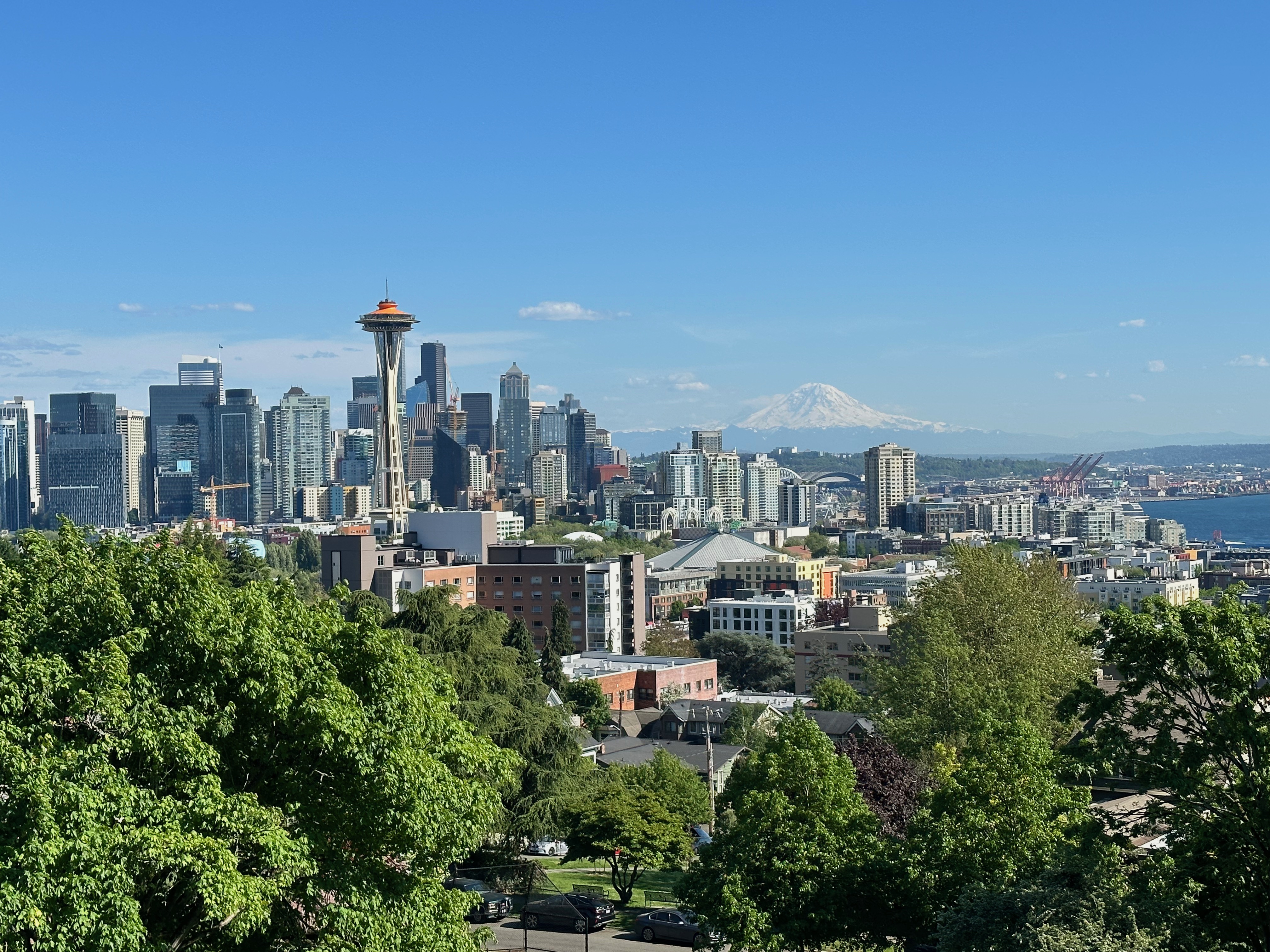
Washington State is the second-largest wine producer in the United States. While the state's urban center, Seattle, is famous for its rain, 99% of its wine grapes are grown on the opposite side of the Cascade Mountains in a high-desert environment. Washington is celebrated for producing wines that bridge the gap between the fruit-forward power of California and the structural elegance of Europe. As of 2026, the state is home to 21 American Viticultural Areas (AVAs) and over 1,000 wineries, ranging from global leaders like Chateau Ste. Michelle to elite, small-lot cult producers in Walla Walla.
Terroir
The terroir of Washington State is a study in "extreme balance." While it shares the same 46th parallel latitude as Burgundy and Bordeaux, its environment is far more dramatic, defined by a massive mountain range, prehistoric floods, and a high-desert climate.
Climate
Washington has a semi-arid setting provides growers with total control through irrigation, while the region's northern latitude (46°N) grants vineyards up to 17 hours of daily sunlight during the growing season—nearly two hours more than California. This intense solar radiation ensures the ripening of thick-skinned reds like Cabernet Sauvignon, but the desert air also facilitates a massive diurnal shift, where temperatures plummet by up to 40°F at night.
Key Grape Varietals
Explore Our Collection
Discover the wines that capture the essence of each region's unique terroir.
View All Wines